A story that begins in 1832
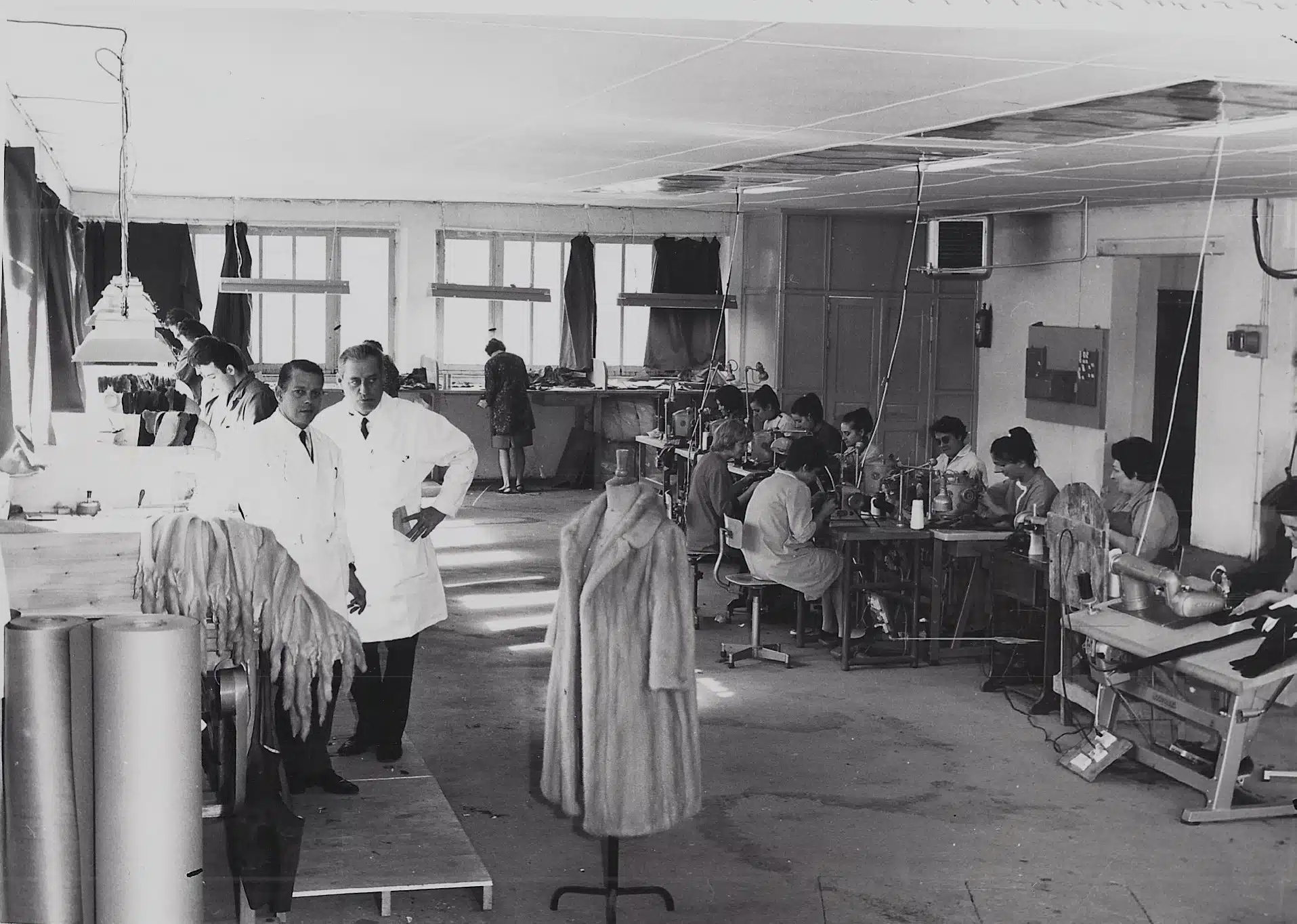
Founded in 1832 in the foothills of the Massif Central, Chapal emerged at a time when France stood as one of the world’s leading centers for leather and fur craftsmanship. The house quickly specialized in the treatment of rabbit and sheep skins, developing innovative tanning and transformation techniques.
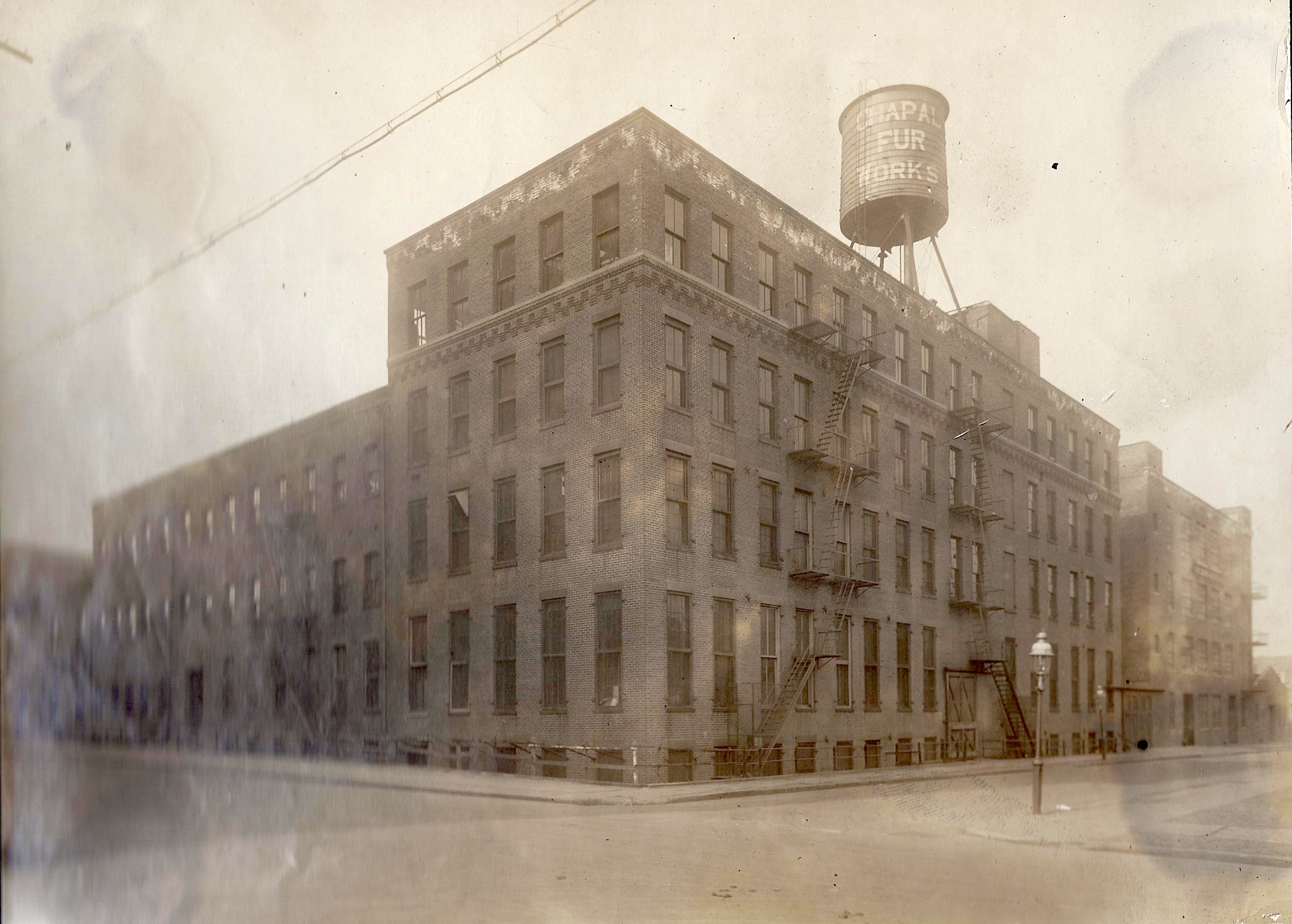
By the early 20th century, Chapal had become a major player in the European fur industry. Its expertise reached far beyond France, particularly in the United States, where its technical innovations attracted significant industrial interest.
But it was with the rise of aviation that Chapal truly entered legend.
The jackets that accompanied aviation pioneers
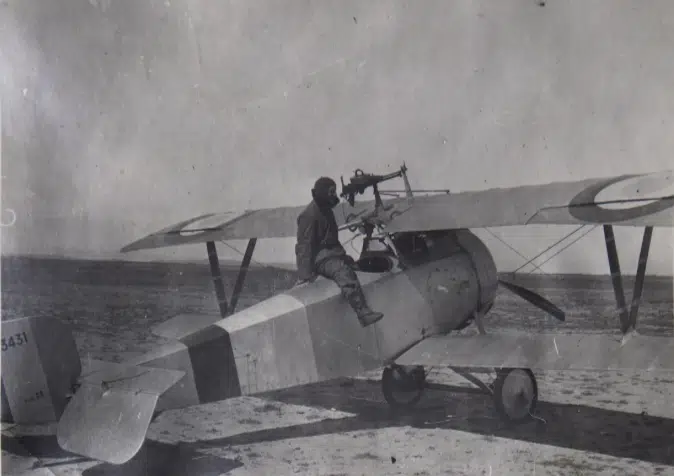
In the 1920s and 1930s, pilots flew in open cockpits, exposed to extreme temperatures. Their garments needed to withstand freezing winds while maintaining flexibility and comfort.
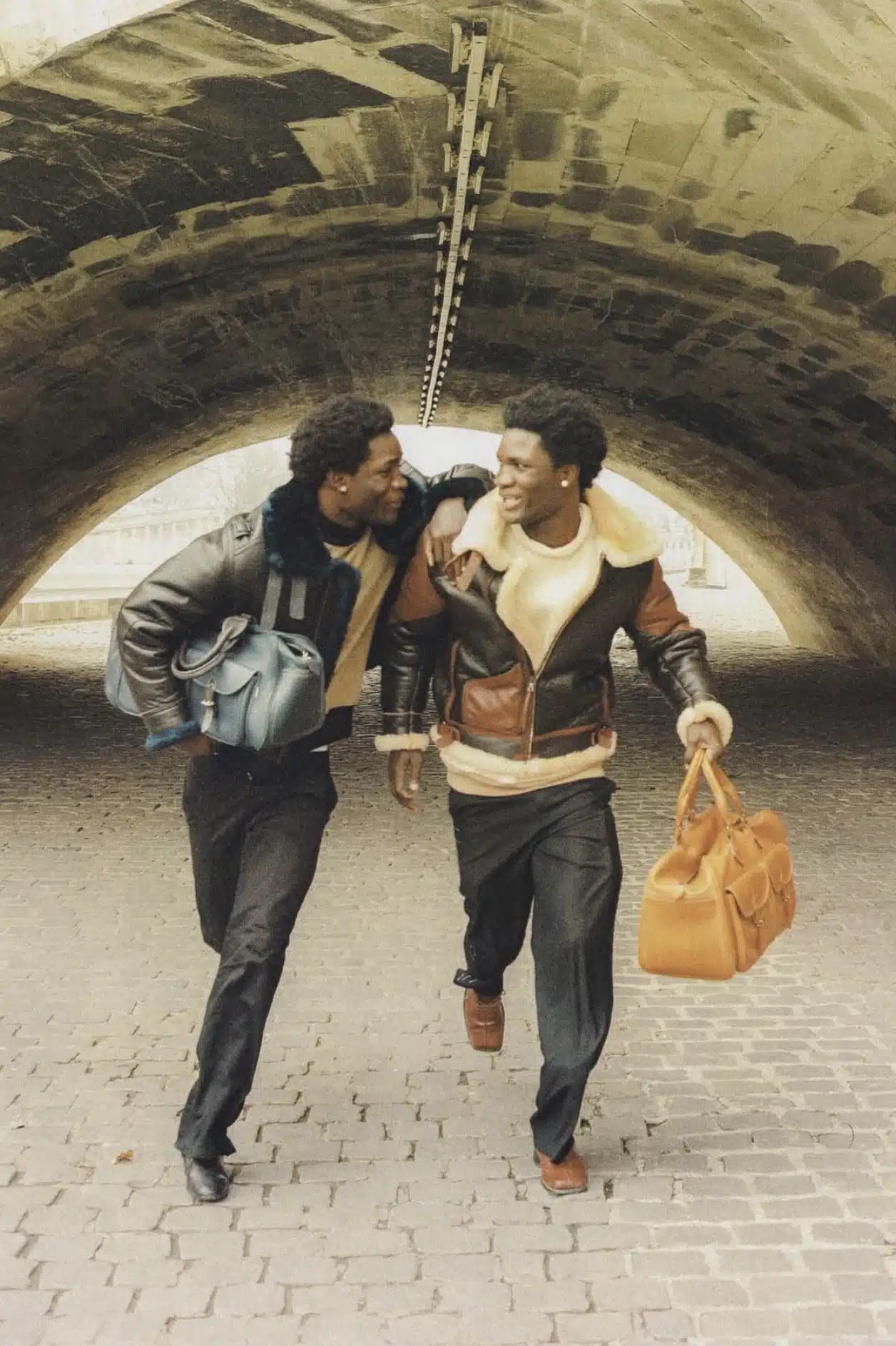
Chapal responded by furnishing leather and creating innovative process on shearling for flight jackets that quickly became a reference for aviators. The House notably crafted leather jackets and overalls for French aircraft pilots, combining durability with refined craftsmanship.
Among them, the iconic 1914 jacket stands as one of the very first true flight jackets in history. A now legendary piece that would go on to influence military outerwear. The A1 ; A2 and B3 are other examples of modern leather jackets available in the collection.
This aeronautical heritage remains deeply embedded in Chapal’s identity today.

A natural companion to the automobile
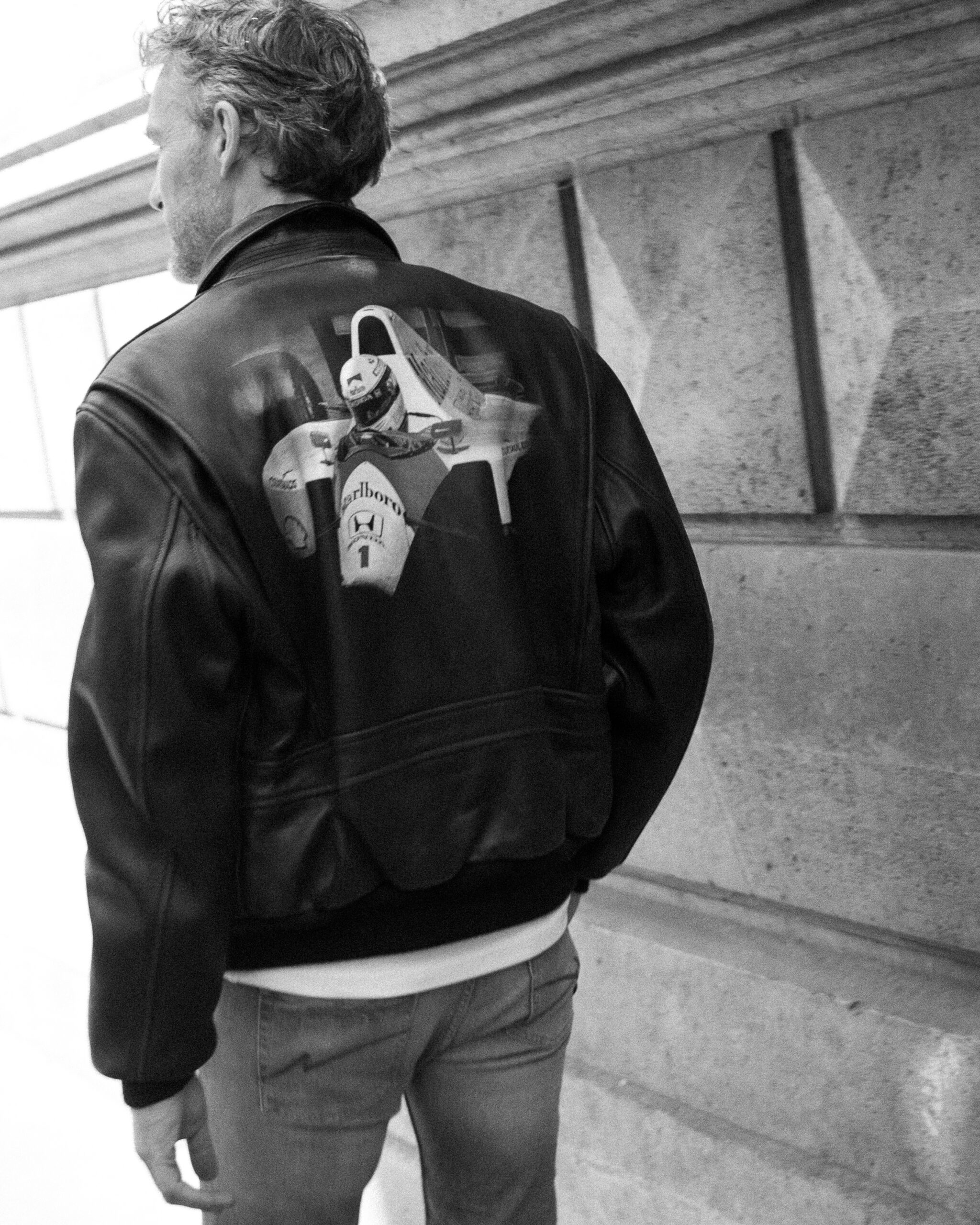
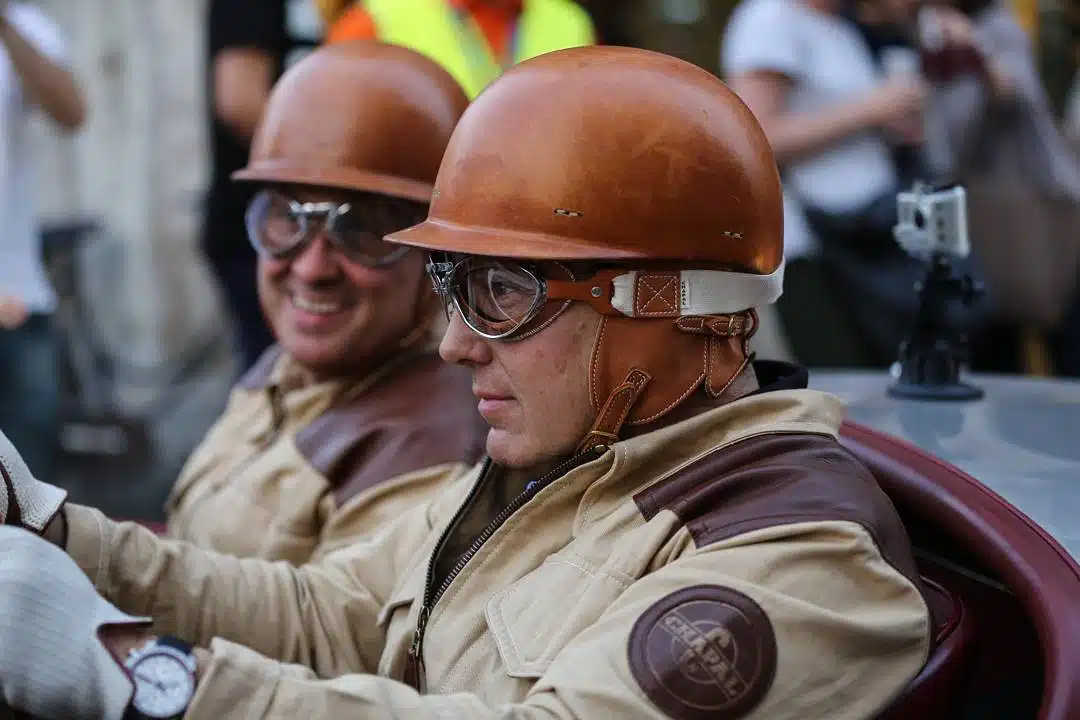
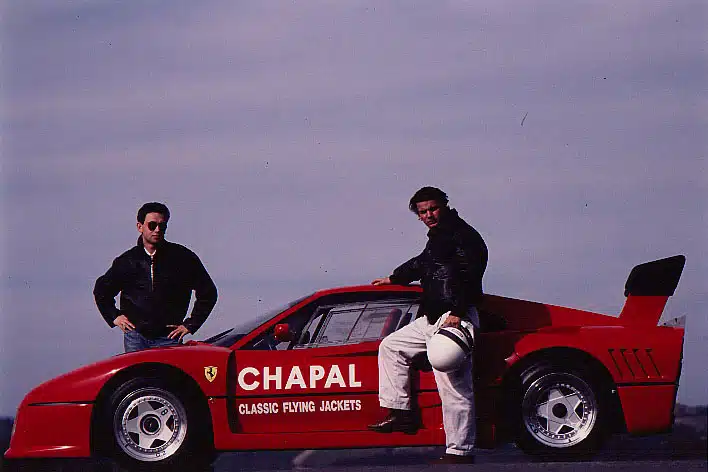
With the rise of the automobile Chapal naturally extended its expertise to the world of driving. Its driving and racing outfits became one of the house’s signatures.
Designed to provide both precision and comfort, they accompany classic car enthusiasts and modern collectors alike. The leather is supple, the fit exact, and the sensation behind the wheel perfectly controlled.
Those who wear Chapal
Some houses are defined not only by what they create, but by those who choose to wear them. Not through endorsement, but through affinity.
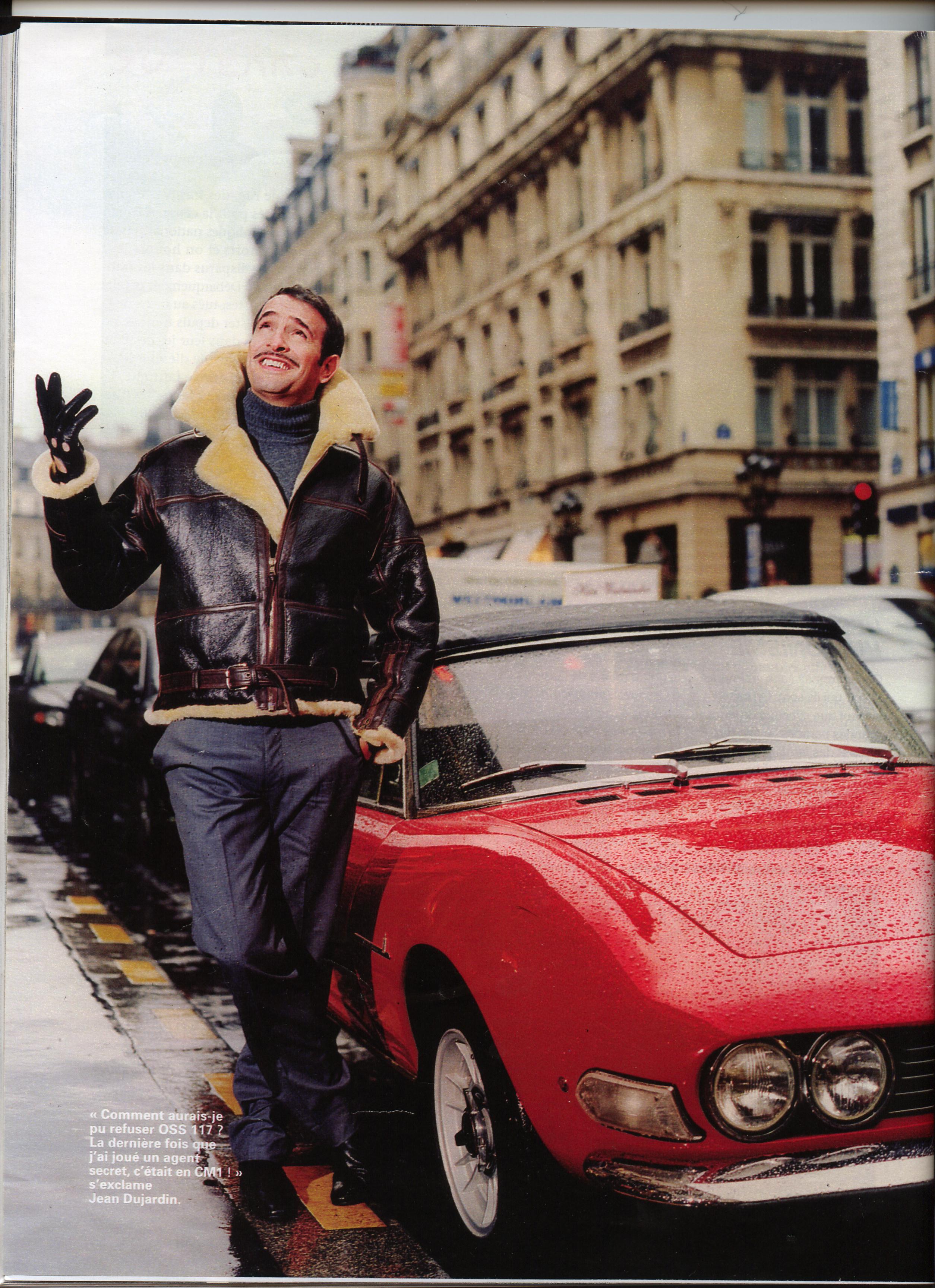
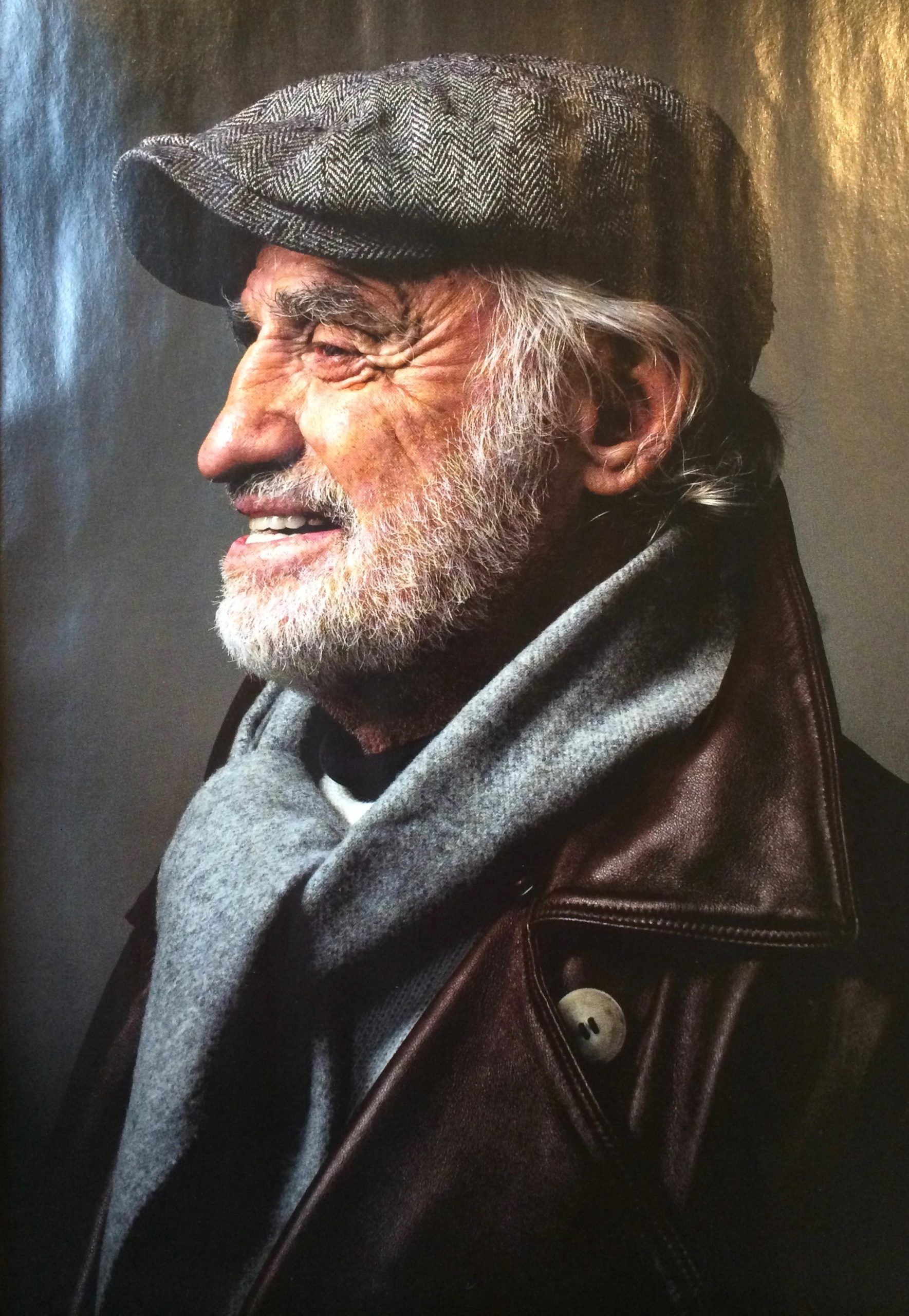
Jean-Paul Belmondo, with his effortless charisma, embodied a form of masculine elegance that felt instinctive rather than constructed. A leather jacket worn without intention, yet always with presence. In a more contemporary register, Jean Dujardin carries forward this distinctly French balance between classicism and ease.
Still made in France
At a time when much of luxury has become industrialized, Chapal continues to produce in France, in its historic manufacture in Crocq, in the Creuse region.
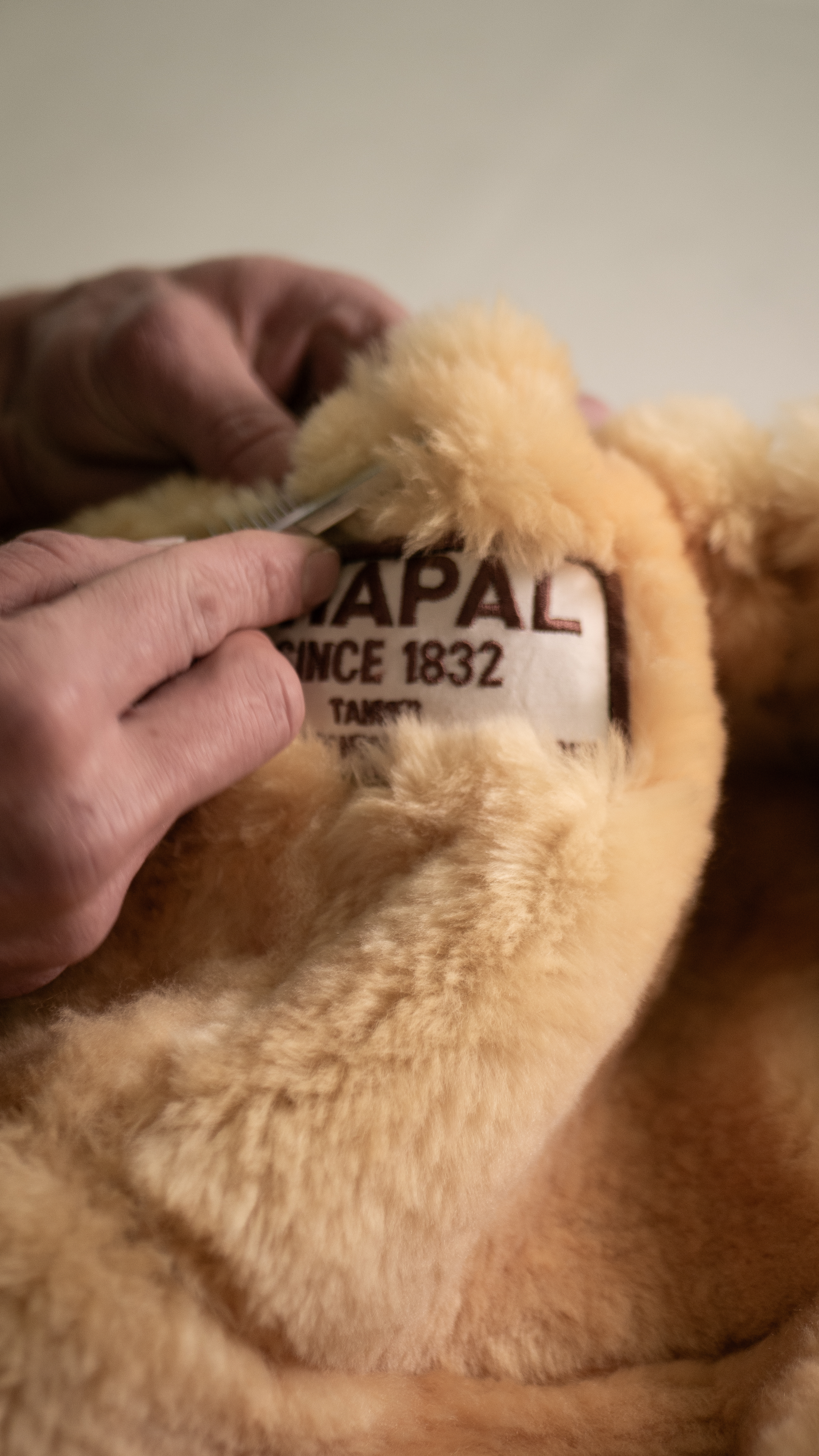
Each piece passes through the hands of skilled artisans specialized in tanning, cutting, assembling and finishing leather. Some skins require months of work before becoming a garment.
This artisanal approach explains the longevity of Chapal pieces. A jacket is not simply worn, it evolves. It develops a patina, a character, and often becomes something to pass on.
At the same time, the house is reconnecting with its international roots. In 2025, Chapal returns to New York City under the direction of Jean-François Bardinon, the 8th generation of Chapal family. This return is more than symbolic. It echoes a transatlantic story that began in the late 19th century, when Emile Chapal established several tanneries and factories in the United States, including one in Brooklyn. At the time, the house was producing sheepskins for flight jackets destined for the American Air Force, as well as felt hats made from rabbit hair.

The elegance of time
In a world driven by constant novelty, Chapal reminds us that true objects can transcend decades without losing relevance.
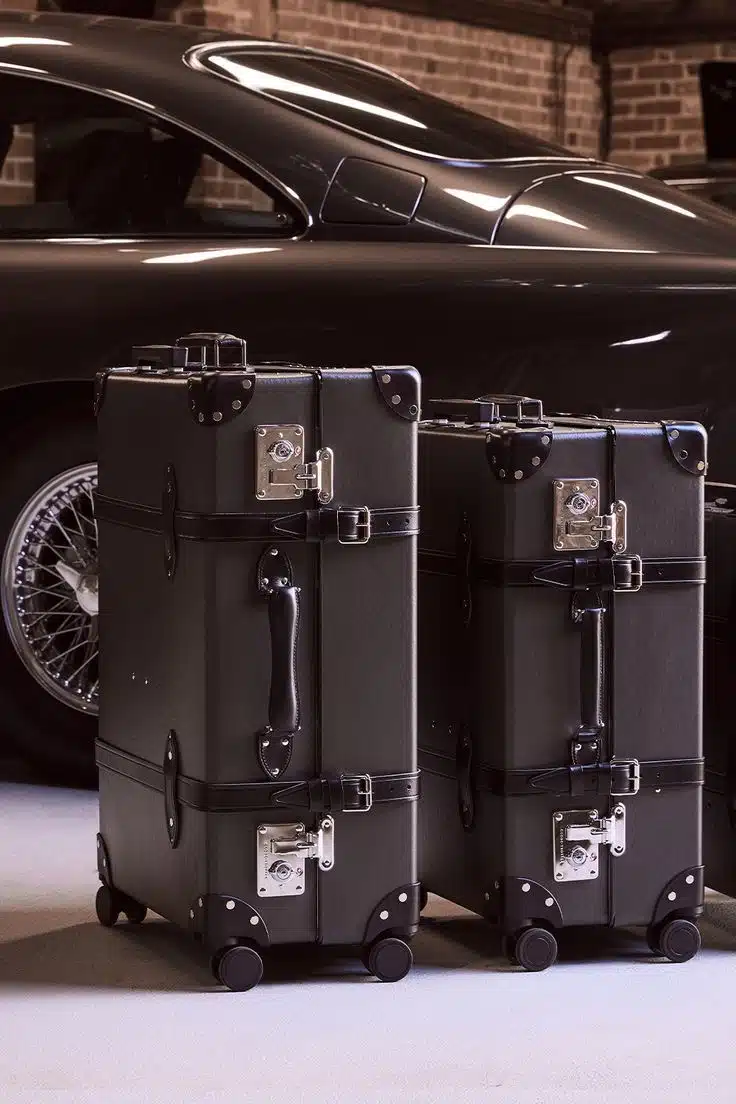
A brown flight jacket, a perfectly fitted pair of driving shoes or a handmade leather travel bag are not just elements of style. They are fragments of history.
They echo the first flights above the clouds, the winding roads driven in exceptional machines, and the enduring story of a French house that has been shaping leather with the same level of excellence for nearly two centuries.