TOP NOTES
Audemars Piguet has made watches in Le Brassus since 1875, and this evening in Art Basel Paris set a second craft. The composition of emotion has become an expertise in its own right, with a heart in which to linger and a base that stays on the skin long after the last record.
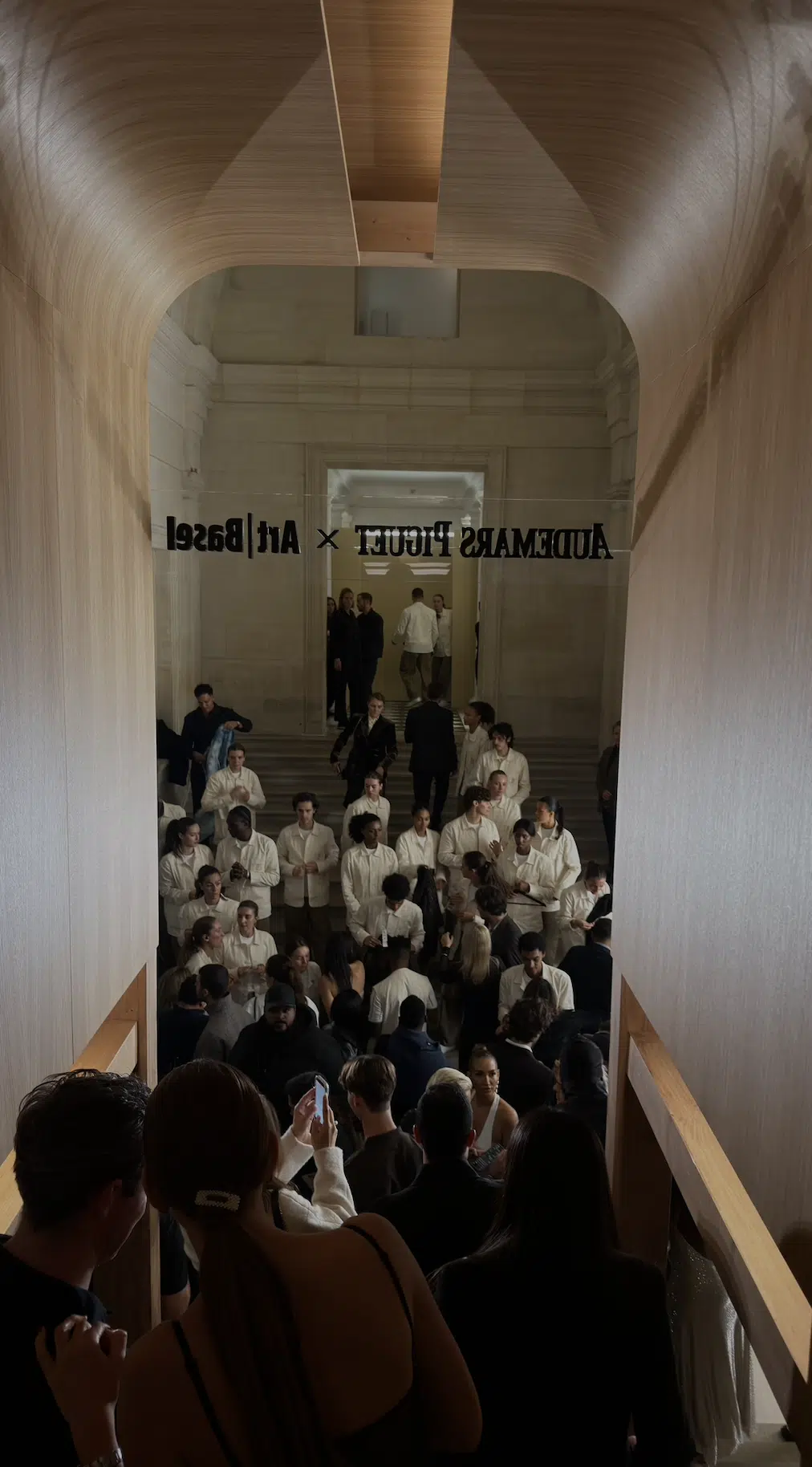
The corridors joining each world were narrow and washed in light. They appeared to separate one room from the next while in fact setting the rhythm of the whole, so that the evening read as a single movement.
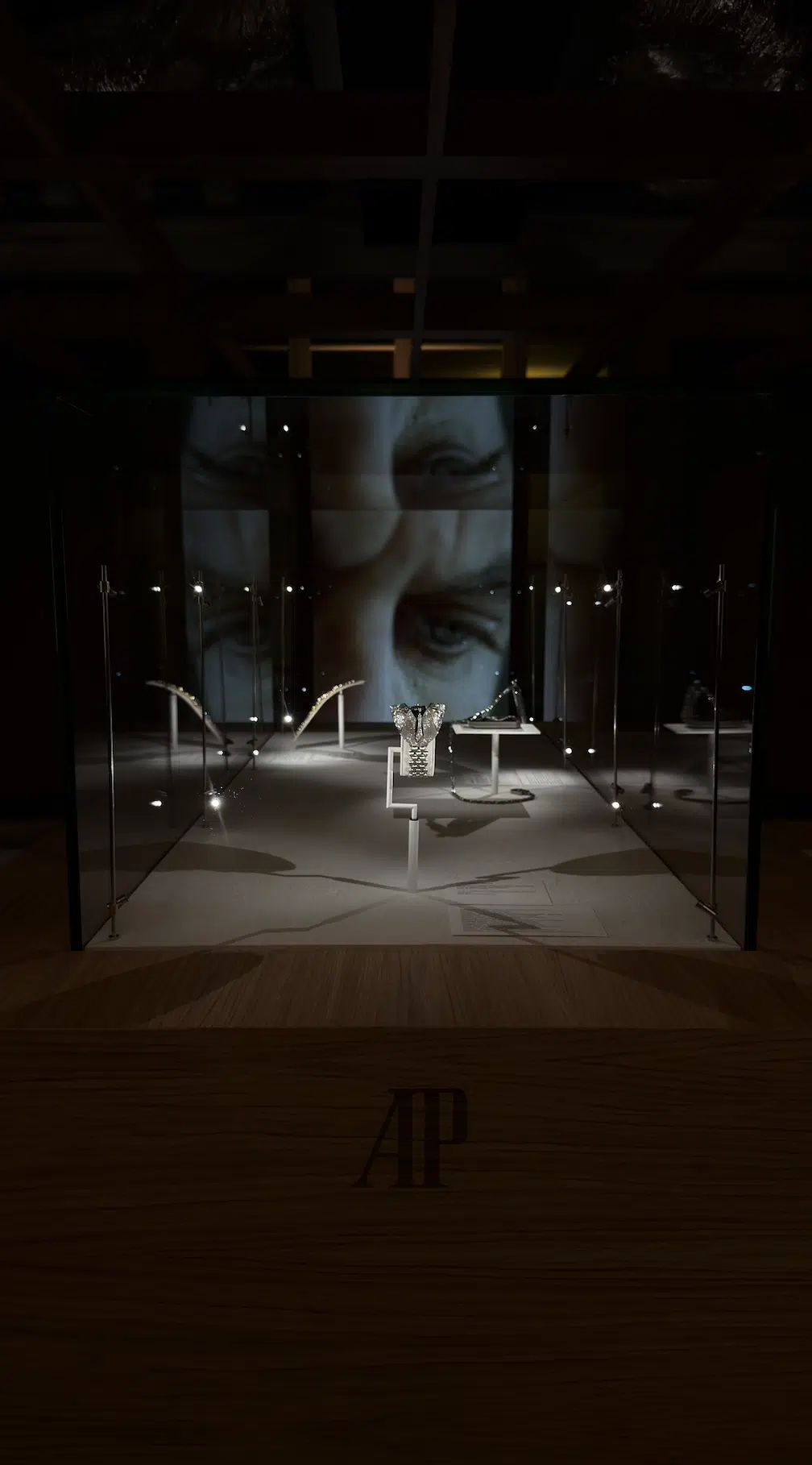
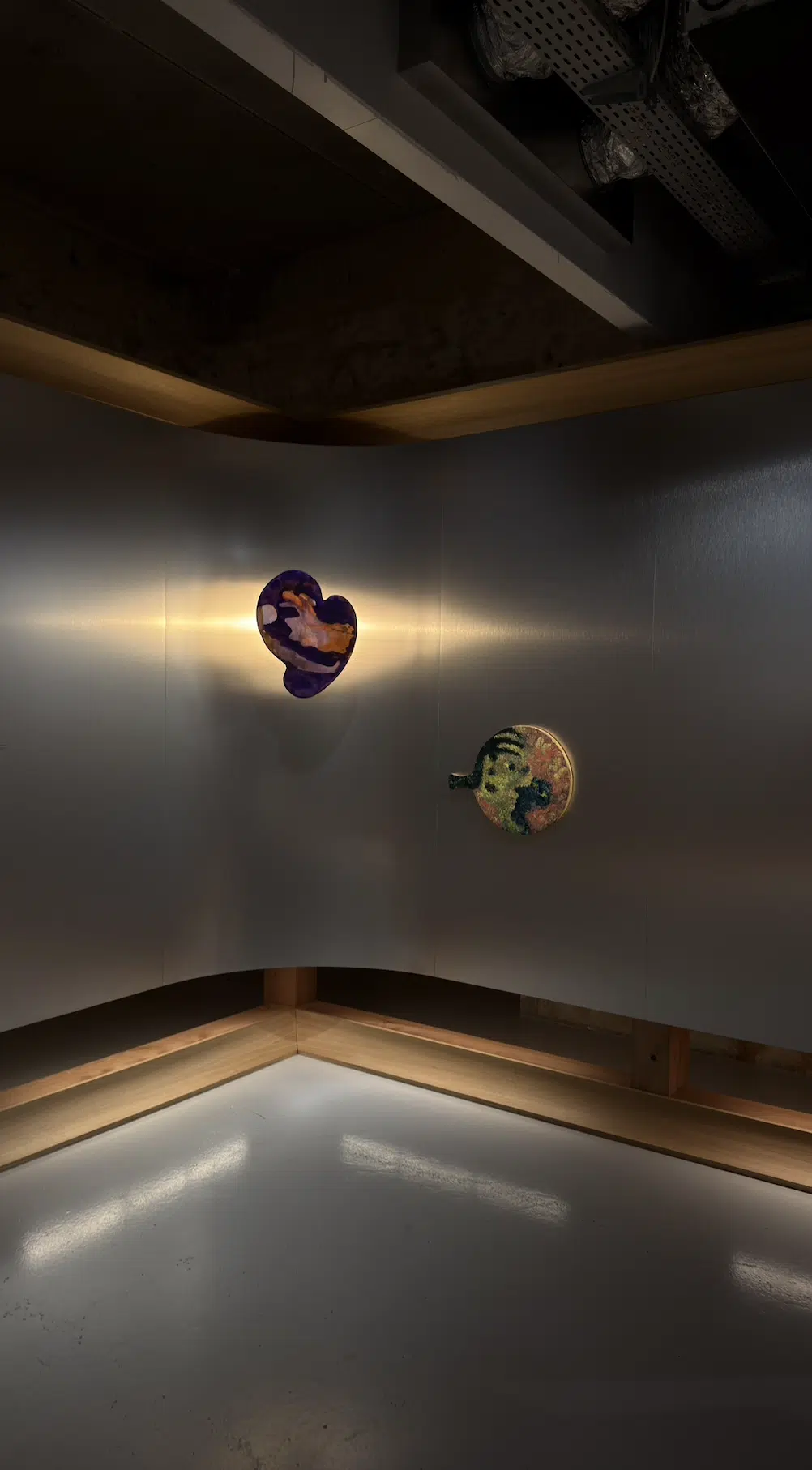
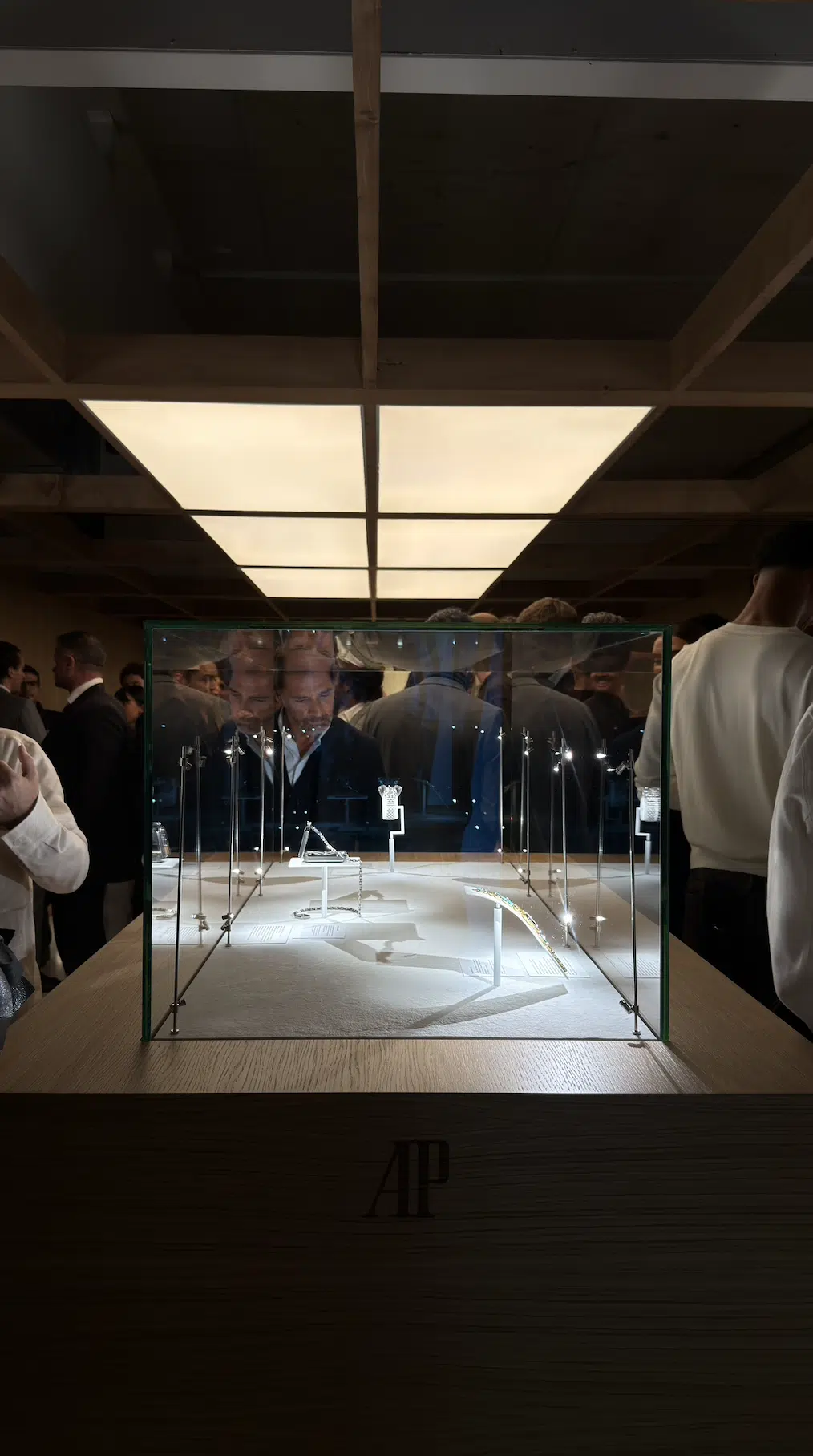
At the first threshold, the Swiss-Malagasy artist Jessy Razafimandimby paints onto the stuff of daily life, from textiles to fragments of furniture and lamps, so that nostalgia and intimacy take up residence in objects one would ordinarily pass without a glance. A few steps further, the Atelier des Établisseurs brought the house back to its bench. Établissage, the model that has shaped watchmaking since the late eighteenth century, entrusted each component to an independent artisan, master of a single gesture, before the établisseur assembled the whole. Three exceptional timepieces conceived on that principle recall that the culture of excellence has always been a shared undertaking, an orchestra long before it was ever a soloist, and that every emotion of the evening rested on this mechanical foundation.
THE HEART
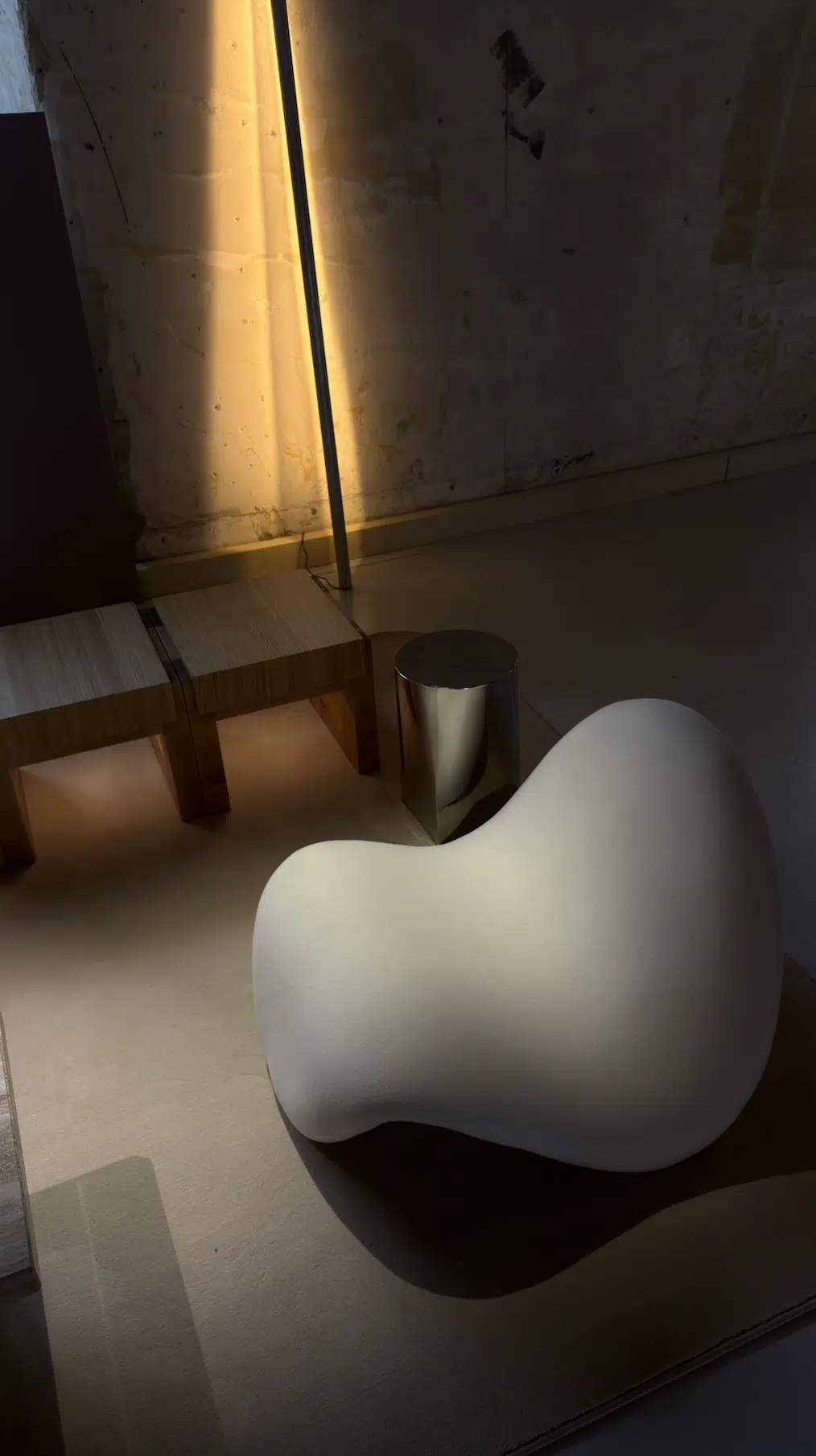
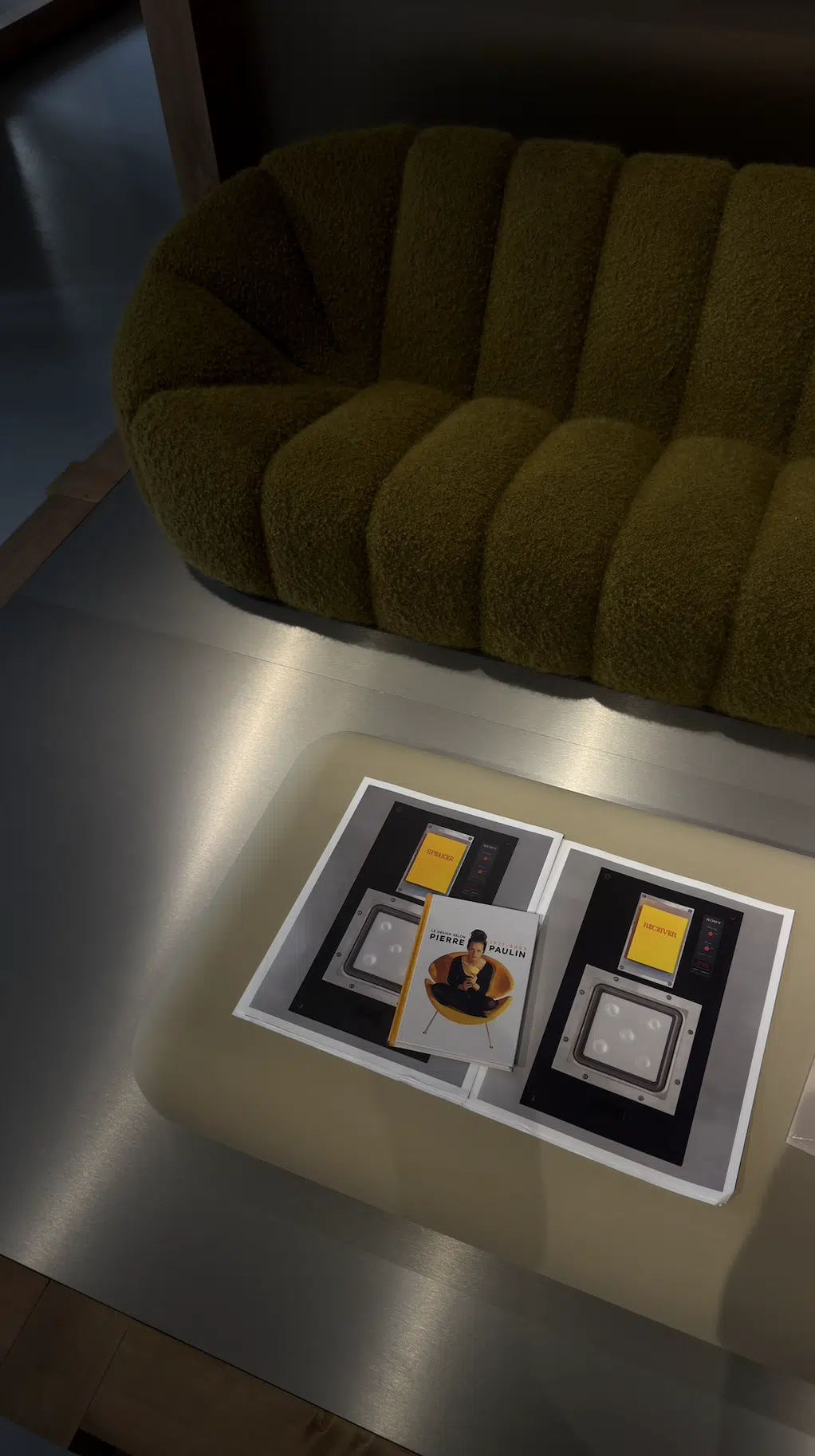
The heart of the composition was Interior Design: three period rooms in which Paulin, Paulin, Paulin, the family initiative devoted to the work of Pierre Paulin (1927–2009), retraces the chapters of his career, from the 1950s through to the 1980s. To settle into those curves is to step onto the set of a 1970s science-fiction film whose props were built to last, among furniture that has spent half a century patiently waiting for its audience to catch up. Within the rooms, the Belgian artist Koenraad Dedobbeleer staged Palais de la Folle Chanson, lecture-performances in the form of musical sets, drawing on architects, industrial designers, musicians and the devoted culture of audiophilia.
Benjamin Paulin, Pierre’s son and the guiding hand behind the initiative, defines excellence in a single breath: “the care one brings to things; the capacity to go on loving what one makes, from beginning to end, until it finds its way to someone else.” Hence the house’s resolve to remain a very small family project, attentive to every detail, and its devotion to his father’s “industrial utopias”, pieces dreamt up for industry that never met their era.
“I grew up among those prototypes,” he recalls. “I rather feel as though I am living in the dream he had sixty years ago.” His conviction is that an idea can shape the following era without ever having triumphed in its own, a notion worth defending in an age that settles every verdict in clicks and views.
THE BASE NOTE
The route ended where every self-respecting wedding does, on the dance floor. A corridor formed of its own accord towards the dimmed glow of the Audemars Piguet × Art Basel sign, suspended above WhoMadeWho , whose set carried an energy at once elegant, chic and quietly obsessive, the kind of note that still clings to a collar the following morning.
It made a fitting finale for an evening built on a principle Benjamin Paulin also pursues through Sounds Like Paulin, the creative label that has led his father’s legacy towards Bryce Dessner and the San Francisco rapper Larry June: “When you are bringing artists together, you are bringing people together.”